Reverse Osmosis Water Treatment Equipment
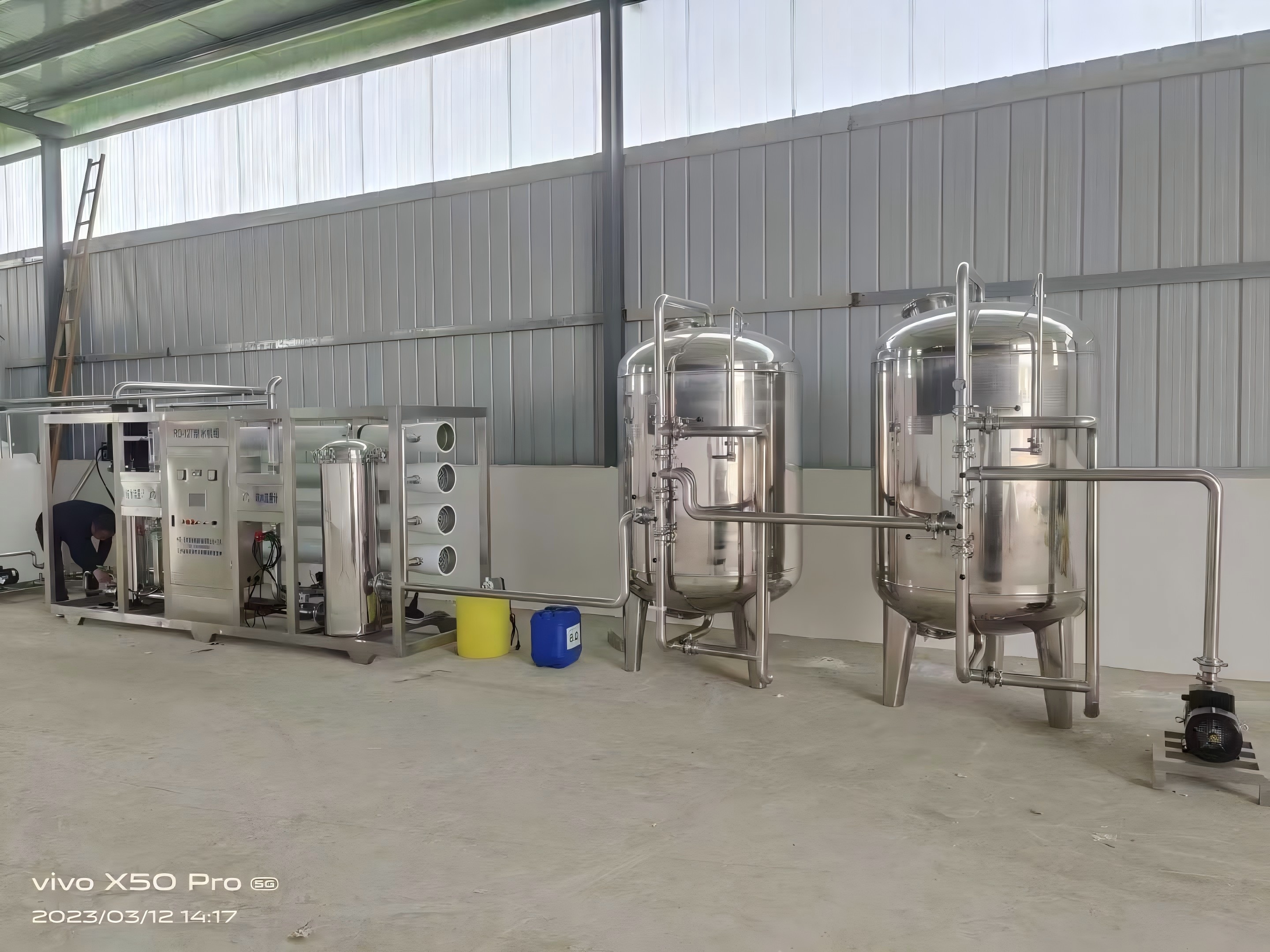
Reverse osmosis (RO) water treatment equipment is a sophisticated system designed to purify water by removing a wide range of contaminants through a semi-permeable membrane. This advanced technology operates on the principle of reverse osmosis, where water is forced through a membrane with extremely small pores under pressure, effectively separating impurities from the water molecules.
The core component of RO equipment is the semi-permeable membrane, typically made of thin-film composite materials. This membrane has a pore size of approximately 0.0001 microns, allowing only water molecules to pass through while blocking dissolved solids, bacteria, viruses, organic compounds, and other contaminants. To facilitate this process, the system includes a high-pressure pump that creates the necessary pressure to overcome the osmotic pressure of the feed water, ensuring efficient separation.
RO water treatment systems generally consist of several stages to ensure optimal performance. The pretreatment stage is crucial, which may include sediment filters to remove large particles, activated carbon filters to absorb chlorine and organic matter, and sometimes water softeners to reduce hardness. This pretreatment protects the RO membrane from fouling and extends its lifespan. After pretreatment, the water enters the RO membrane module, where the separation process occurs. The treated water, known as permeate, is collected for use, while the concentrated contaminants, called brine or reject water, are flushed away.
One of the significant advantages of RO equipment is its ability to produce high-quality purified water with a contaminant removal rate of up to 99%. It is widely used in various applications, including residential drinking water purification, commercial and industrial processes, pharmaceutical production, and wastewater treatment. In residential settings, RO systems provide clean and safe drinking water by removing harmful substances such as lead, arsenic, fluoride, and nitrates. In industrial applications, they are essential for processes that require high-purity water, such as in power plants, electronics manufacturing, and food and beverage production.
However, RO systems also have some considerations. They typically have a relatively low water recovery rate, meaning a portion of the feed water is wasted as reject water. Advances in technology have led to the development of high-efficiency RO systems with improved recovery rates to address this issue. Additionally, regular maintenance is required, including membrane cleaning and replacement, to ensure consistent performance and water quality.
In conclusion, reverse osmosis water treatment equipment is a highly effective and versatile solution for water purification. Its ability to remove a vast array of contaminants makes it indispensable in numerous sectors, contributing to improved water quality and public health. As technology continues to advance, RO systems are becoming more efficient, sustainable, and accessible, further expanding their applications in the global effort to provide clean water.