Afrikaans
 Albanian
 Amharic
 Armenian
 Azerbaijani
 Greek
Greek Basque
 Chinese (Simplified)
 Chinese (Traditional)
 Belarusian
 Bengali
 Bosnian
 Bulgarian
 Catalan
 Cebuano
 Chichewa
 Corsican
 Croatian
 Czech
Czech Danish
 Dutch
Dutch Esperanto
 Estonian
 Filipino
 Finnish
 Frisian
 Galician
 Georgian
 Gujarati
 Haitian Creole
 Hausa
Hausa Hawaiian
 Hebrew
 Hmong
Hmong Hungarian
 Icelandic
 Igbo
Igbo Indonesian
 Irish
Irish Javanese
 Kannada
 Kazakh
 Khmer
Khmer Kurdish (Kurmanji)
 Kyrgyz
 Lao
Lao Latin
Latin Latvian
 Lithuanian
 Luxembourgish
 Macedonian
 Malagasy
 Malay
Malay Malayalam
 Maltese
 Maori
Maori Marathi
 Mongolian
 Myanmar (Burmese)
 Nepali
 Norwegian
 Pashto
 Persian
 Punjabi
 Samoan
 Scottish Gaelic
 Serbian
 Sesotho
 Shona
Shona Sindhi
 Sinhala
 Slovak
 Slovenian
 Somali
 Sudanese
 Swahili
 Swedish
 Tajik
Tajik Tamil
Tamil Telugu
 Turkish
 Ukrainian
 Urdu
Urdu Uzbek
Uzbek Vietnamese
 Welsh
Welsh Xhosa
Xhosa Yiddish
 Yoruba
 Zulu
Zulu
Technology Empowers "Field Granaries": Intelligent Greenhouse Warehouse Leads a New Revolution in Agricultural Storage
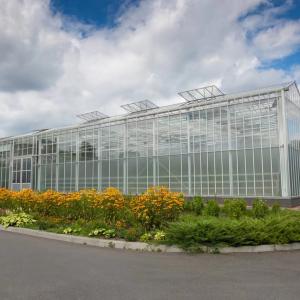
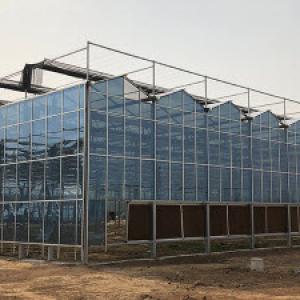
Recently, a modern greenhouse warehouse integrating precise environmental control, intelligent monitoring and early warning, and green low-carbon grain storage was officially put into operation in an agricultural industrial park. Integrating cutting-edge technologies such as the Internet of Things (IoT) and AI big data, the warehouse has achieved a leapfrog upgrade from traditional storage to "digital intelligence + greenization", providing a full-chain solution for agricultural product preservation and agricultural material storage. This marks that the regional agricultural storage system has entered a new stage of high-quality development.
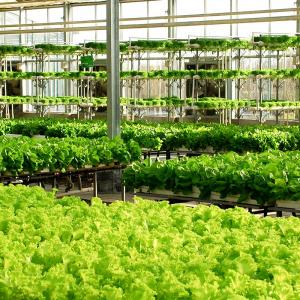
Walking into this intelligent greenhouse warehouse, automated scenarios without manual intervention are everywhere: multi-spectral sensors distributed in the warehouse real-time capture key data such as temperature, humidity, and oxygen concentration, transmit them to the central control platform through the IoT system, and automatically start ventilation, temperature adjustment, and dehumidification equipment after analysis by AI algorithms. This precisely controls the storage environment within the suitable range for crops and agricultural materials. For perishable agricultural products such as fresh flowers and fruits, the warehouse is equipped with a flexible cold air circulation system and a precise humidity adjustment device, which effectively reduces the water loss rate by 65%, extends the fresh-keeping period by more than 30 days, and controls the spoilage rate within 2%. For agricultural materials such as grain and chemical fertilizers, the combination of low-temperature grain storage technology and green prevention and control systems not only reduces the use of chemical agents by 50% but also reduces energy consumption by 20%, truly achieving "high-quality storage and supply".
"In the past, we relied on manual recording of temperature and humidity and regular inspections, which were not only time-consuming and labor-intensive but also prone to delayed regulation," said the warehouse manager. Now, real-time remote monitoring of the storage status can be achieved through a mobile APP. The system automatically completes operations such as water and fertilizer supply, pest control, and ventilation according to preset parameters, and issues early warnings immediately when abnormalities occur, realizing an "unattended and active prevention and control" management model. At the same time, the big data analysis system equipped in the warehouse can accurately predict changes in market supply and demand, helping farmers achieve "off-peak sales". Previously, cooperative farmers have increased the price of vegetables from 1.05 yuan per catty to 2 yuan per catty through off-peak storage, increasing their income by more than 500,000 yuan per season.
As an important infrastructure for agricultural modernization, this intelligent greenhouse warehouse also undertakes the function of regional agricultural material supply guarantee. Built in accordance with the "national strategic agricultural material reserve standards", the warehouse is equipped with specialized storage areas and a centralized collection and distribution system, which can realize the centralized reserve and efficient distribution of chemical fertilizers, seeds, agricultural tools and other agricultural materials. It provides stable agricultural material guarantee for 300 million mu-times of farmland in the surrounding areas, effectively enhancing the resilience of the agricultural supply chain. Its adopted "terminal-edge-cloud" collaborative architecture can also seamlessly connect with field intelligent greenhouses and cold chain transport vehicles, building a digital agricultural service network integrating "production-storage-transportation".
It is understood that the completion and commissioning of this intelligent greenhouse warehouse is a specific practice of implementing the "15th Five-Year Plan" for the construction of a modern agricultural material storage facility system. In the next step, the local area will take this warehouse as a demonstration benchmark, promote the integrated technical solution of "precise control + green grain storage + digital management", and plan to complete the construction and renovation of a number of county-level agricultural material distribution centers within three years. It will make the technology-empowered greenhouse warehouse an important support for ensuring food security, increasing farmers' income, and promoting the green and sustainable development of agriculture.
Related News