Greenhouse Seedbed System: Key Features to Choose the Right One
If you’ve spent early mornings checking sprouting seeds, adjusting humidity when fog builds up, or straightening seedling trays on unstable benches, you know a quality greenhouse seedbed is far more than simple equipment — it is the foundation of successful seedling propagation.
We have supplied seedbeds for small family greenhouses and large commercial farms for a decade. Poorly selected seedbeds often lead to seedling losses and unnecessary headaches. No matter if you grow tomatoes for local stalls or lettuce for grocery supply chains, these core features separate reliable systems from troublesome ones.
Efficient Water Management
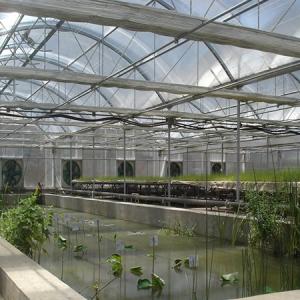
Seedlings are fragile, and overwatering is the top cause of damping-off fungus. Traditional fixed benches with manual watering easily let water pool around roots and trigger rot. A recirculating watering design is highly recommended. It delivers consistent moisture to every tray without flooding, cuts water waste amid rising utility costs, and greatly lowers fungal disease risk.
Even Water Distribution
Even recirculating systems fail without balanced flow. Uneven watering leads to inconsistent germination and staggered seedling growth, making scheduled transplanting difficult. Premium seedbeds use calibrated flow channels to guarantee equal water supply across the whole bench. One commercial herb client upgraded to this design and saw germination rates rise from 72% to 94% in one season, directly boosting revenue.
Space Optimization
Seedling production takes up a surprising amount of greenhouse space. Rolling seedbeds solve this perfectly: benches sit tightly together and slide apart only when access is needed. You eliminate redundant permanent walkways and double your seedling capacity. This is ideal for high-value small-seed crops such as basil and petunias, letting you take more wholesale orders without expanding your building footprint.
Our Custom Ebb and Flow Rolling Benches combine ebb-and-flow recirculating irrigation with space-saving rolling structure, balancing high watering performance and maximum planting density. Link: /greenhouse-cultivation/greenhouse-seedbed-system/ebb-and-flow-seedbed.html
Durability & Sanitation
Avoid low-cost plastic benches, which crack and warp quickly under high humidity and fluctuating temperatures inside greenhouses. Stainless steel or heavy-gauge aluminum is preferred: rust-resistant, strong enough to hold full trays, and simple to sanitize between batches. Smooth, non-porous surfaces prevent residual pathogens from infecting new seeds. Investing in sturdy benches saves repeated replacement costs long-term.
Adjustable Design
Different crops require different growing conditions. Peppers need deeper root zones and more frequent watering, while carrots thrive in shallow trays with less moisture. Adjustable seedbeds support flexible tray height, watering frequency and bench angle. Height adjustment eases back strain during busy transplant seasons. Advanced models support zoned watering schedules so multiple crop types can be raised on one bench.
Good Airflow for Disease Control
Stagnant humid air between trays causes damping-off. Rolling benches let you adjust aisle width freely for ventilation. Many high-quality seedbeds adopt slatted, elevated surfaces to allow air to flow underneath trays. Improved airflow inhibits fungi and produces stronger, more transplant-tolerant seedlings.
Easy Maintenance & Modularity
Choose modular systems with readily replaceable standard parts. If a valve or hose fails, you should not wait weeks for custom spare components. Individual sections can be repaired or removed without shutting down the whole bench. Always pick products supplied with clear maintenance instructions.
Scalability
Pick modular systems that can expand alongside your farm. Start with a small setup, then add more benches as your business grows, instead of replacing the entire infrastructure later. This is perfect for new growers with evolving production plans.
Final Takeaway
The best seedbed matches your crop types, greenhouse size and long-term plans. These core criteria — efficient recirculating water, uniform irrigation, space-saving layout, durability, adjustability, airflow design, simple maintenance and scalability — help your seedlings thrive and reduce your daily workload.
Whether you need a small rolling bench for hobby planting or a large recirculating system for commercial production, our team can provide tailored solutions. Contact us today for customized recommendations for your seedling project.
Related News