Afrikaans
 Albanian
 Amharic
 Armenian
 Azerbaijani
 Greek
Greek Basque
 Chinese (Simplified)
 Chinese (Traditional)
 Belarusian
 Bengali
 Bosnian
 Bulgarian
 Catalan
 Cebuano
 Chichewa
 Corsican
 Croatian
 Czech
Czech Danish
 Dutch
Dutch Esperanto
 Estonian
 Filipino
 Finnish
 Frisian
 Galician
 Georgian
 Gujarati
 Haitian Creole
 Hausa
Hausa Hawaiian
 Hebrew
 Hmong
Hmong Hungarian
 Icelandic
 Igbo
Igbo Indonesian
 Irish
Irish Javanese
 Kannada
 Kazakh
 Khmer
Khmer Kurdish (Kurmanji)
 Kyrgyz
 Lao
Lao Latin
Latin Latvian
 Lithuanian
 Luxembourgish
 Macedonian
 Malagasy
 Malay
Malay Malayalam
 Maltese
 Maori
Maori Marathi
 Mongolian
 Myanmar (Burmese)
 Nepali
 Norwegian
 Pashto
 Persian
 Punjabi
 Samoan
 Scottish Gaelic
 Serbian
 Sesotho
 Shona
Shona Sindhi
 Sinhala
 Slovak
 Slovenian
 Somali
 Sudanese
 Swahili
 Swedish
 Tajik
Tajik Tamil
Tamil Telugu
 Turkish
 Ukrainian
 Urdu
Urdu Uzbek
Uzbek Vietnamese
 Welsh
Welsh Xhosa
Xhosa Yiddish
 Yoruba
 Zulu
Zulu
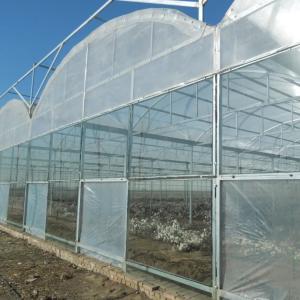
What is the best time to use a greenhouse drip irrigation system?
Understanding the Basics of Greenhouse Drip Irrigation
Before we discuss the best time to use a greenhouse drip irrigation system, let's briefly review how these systems work. A greenhouse drip irrigation system delivers water directly to the base of plants through a network of tubes and emitters. This method of irrigation is highly efficient, as it minimizes water loss due to evaporation and runoff. By providing a slow, steady supply of water to the root zone, drip irrigation helps to maintain consistent soil moisture levels, which is essential for healthy plant growth.
Factors Affecting the Best Time to Use a Greenhouse Drip Irrigation System
Several factors influence the optimal timing for using a greenhouse drip irrigation system. These include the type of plants being grown, the stage of plant growth, the environmental conditions inside the greenhouse, and the availability of water.
Plant Type
Different plants have different water requirements, and these requirements can vary depending on the stage of growth. For example, seedlings and young plants generally require more frequent watering than mature plants. Additionally, some plants, such as succulents and cacti, are more drought-tolerant and may require less water than other types of plants. When determining the best time to use a greenhouse drip irrigation system, it's important to consider the specific water needs of the plants you're growing.
Plant Growth Stage
The stage of plant growth also plays a crucial role in determining the optimal timing for irrigation. During the germination and seedling stages, plants require frequent, light watering to keep the soil moist. As plants mature, their water requirements may decrease, but they still need a consistent supply of water to support healthy growth. During the flowering and fruiting stages, plants may require more water to support the development of flowers and fruits.
Environmental Conditions
The environmental conditions inside the greenhouse, such as temperature, humidity, and light intensity, can also affect the water requirements of plants. In hot, dry conditions, plants may lose water more quickly through transpiration, which means they may require more frequent watering. Conversely, in cool, humid conditions, plants may require less water. Additionally, the amount of light the plants receive can also affect their water requirements. Plants that receive more light may require more water to support photosynthesis.
Water Availability
The availability of water is another important factor to consider when determining the best time to use a greenhouse drip irrigation system. If water is scarce, it may be necessary to adjust the irrigation schedule to conserve water. On the other hand, if water is readily available, you may be able to irrigate more frequently to ensure that your plants receive an adequate supply of water.
Optimal Timing for Using a Greenhouse Drip Irrigation System
Based on the factors discussed above, the best time to use a greenhouse drip irrigation system will vary depending on the specific needs of your plants and the environmental conditions inside your greenhouse. However, there are some general guidelines that can help you determine the optimal timing for irrigation.
Morning Irrigation
One of the best times to use a greenhouse drip irrigation system is in the morning. Watering in the morning allows the plants to absorb the water before the temperature rises, which helps to prevent water loss due to evaporation. Additionally, watering in the morning gives the leaves time to dry before nightfall, which can help to prevent the development of fungal diseases.
Evening Irrigation
In some cases, evening irrigation may also be a good option. Watering in the evening can help to cool the plants and the soil, which can be beneficial during hot summer months. However, it's important to avoid watering too late in the evening, as this can increase the risk of fungal diseases.
Avoiding Midday Irrigation
Midday irrigation should generally be avoided, as the high temperatures and strong sunlight can cause the water to evaporate quickly, reducing the effectiveness of the irrigation. Additionally, watering during the hottest part of the day can also cause stress to the plants, as the water may not be able to penetrate the soil quickly enough.
Benefits of Using a Greenhouse Drip Irrigation System
In addition to providing a more efficient way to water your plants, using a greenhouse drip irrigation system offers several other benefits. These include:
Water Conservation
Drip irrigation is a highly efficient method of watering, as it delivers water directly to the root zone of the plants, minimizing water loss due to evaporation and runoff. This can help to conserve water and reduce your water bill.
Improved Plant Health
By providing a consistent supply of water to the root zone, drip irrigation helps to maintain healthy soil moisture levels, which is essential for healthy plant growth. Additionally, drip irrigation can help to prevent overwatering, which can lead to root rot and other plant diseases.
Increased Crop Yields
Using a greenhouse drip irrigation system can help to increase crop yields by providing the plants with the right amount of water at the right time. This can result in healthier, more productive plants, which can lead to higher yields.
Reduced Labor Costs
Drip irrigation systems are automated, which means they require less labor than traditional watering methods. This can help to reduce labor costs and free up time for other tasks.
Conclusion
In conclusion, the best time to use a greenhouse drip irrigation system depends on several factors, including the type of plants being grown, the stage of plant growth, the environmental conditions inside the greenhouse, and the availability of water. By considering these factors and following the general guidelines outlined in this blog post, you can determine the optimal timing for irrigation and ensure that your plants receive the right amount of water at the right time.